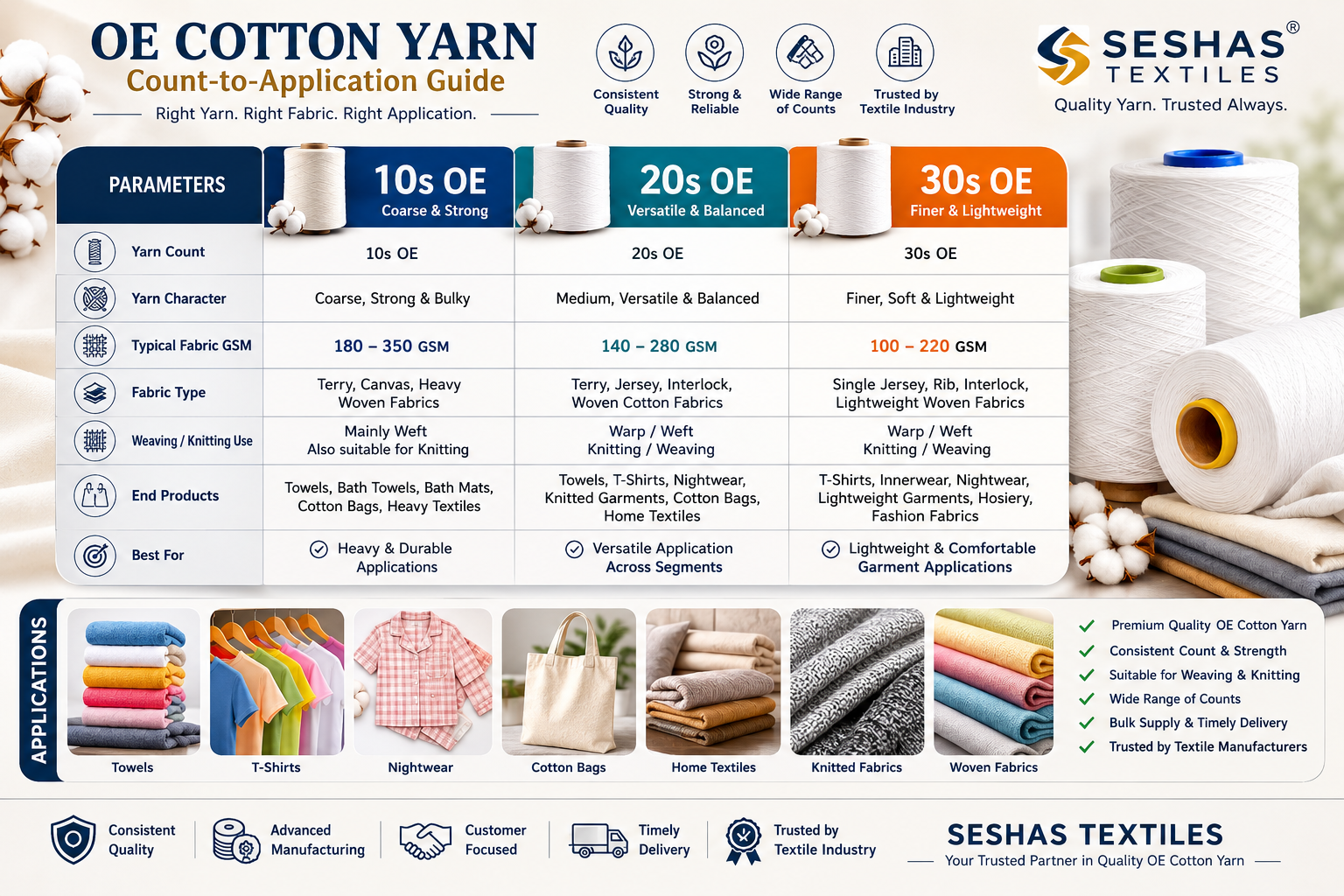

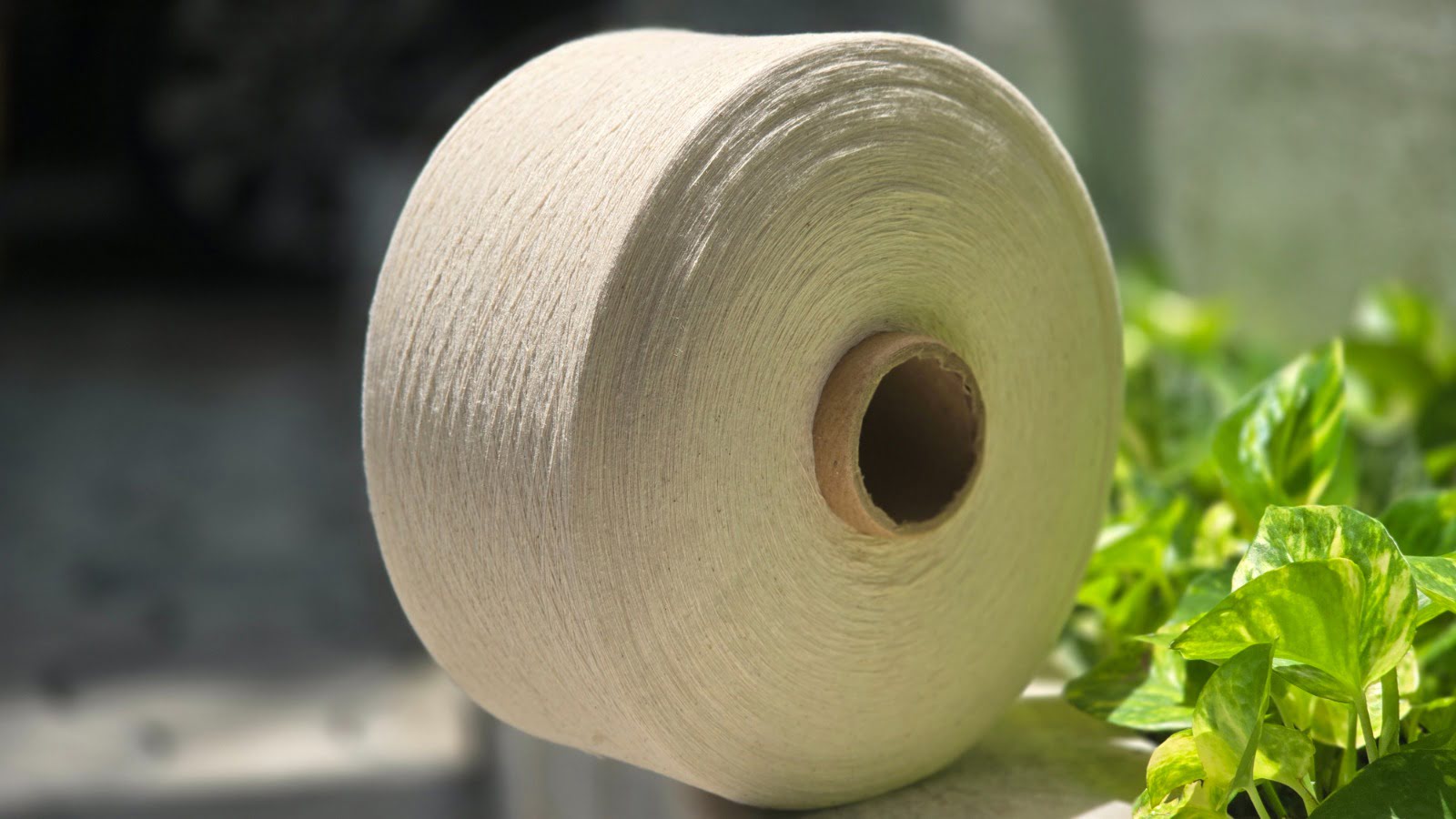
Running a textile mill, weaving unit, or fabric manufacturing business means making one of the most critical decisions regularly: choosing the right cotton yarn supplier. This decision directly impacts your production quality, costs, and timeline.
But here’s the challenge: there are hundreds of yarn suppliers across India, from small manufacturers to large distributors. How do you know which one is actually the best fit for YOUR specific needs?
In this comprehensive guide, I’ll walk you through the exact process of evaluating and selecting a cotton yarn supplier that delivers consistent quality, reliable delivery, and competitive pricing. Whether you’re buying for the first time or switching suppliers, this guide will help you make a better decision.
I’ve compiled insights from 5+ years of textile industry experience and conversations with dozens of mill owners who’ve successfully navigated this choice. By the end of this article, you’ll have a clear framework for selecting a yarn supplier that supports YOUR business growth.
What We’ll Cover:
Let’s dive in.
Before you even contact a single yarn supplier, you need crystal clarity on what you actually need. Many mill owners approach suppliers with vague requirements like “I need good quality yarn,” which leads to mismatched expectations.
Instead, document these specifics:
Yarn Count Requirement Are you looking for 10s, 20s, 2/20s, or another count? The yarn count determines thickness and is critical. A supplier producing excellent 10s yarn might not specialize in 20s. Be specific about what your looms require.
Yarn Type Open-end (OE) yarn, ring-spun, or combed? Each has different properties and costs. OE yarn is more economical for bulk production, while ring-spun offers premium quality.
Volume & Frequency Do you need 100 kg monthly or 5 tons weekly? Your volume matters because it affects the supplier’s pricing and capacity. Small quantities cost more per kg than bulk orders.
Quality Parameters
Color & Finish Do you need natural grey (greige) yarn or white? Is the finish important for your end product?
Timeline Requirements How quickly do you need it? Can you work with 5-7 day delivery or do you need 24-hour turnaround? This affects which suppliers can service you.
Budget Constraints What’s your per-kg budget? Be realistic about what premium quality costs versus budget options. Extremely cheap yarn often has hidden quality issues.
Once you have these specifications documented, you’re ready to evaluate suppliers effectively.
Quality is where most mill owners struggle with supplier evaluation. It’s not just about how the yarn looks—there are specific technical parameters to assess.
CSP Strength Testing CSP (Count Strength Product) measures yarn’s tensile strength. Request CSP testing reports from potential suppliers. A supplier claiming “1200+ CSP” should provide third-party test certificates, not just their word.
How to Evaluate:
Count Accuracy Inconsistent count causes fabric defects. When you order 20s yarn, you should get 20s ±2% consistently.
How to Check:
Visual Quality Indicators While not everything is visible, you can assess:
Ask the Right Questions:
Red Flag: Any supplier who can’t provide testing documentation or gets defensive about quality questions. Reputable suppliers are transparent about their quality control.
Trial Batches Matter Never commit to bulk orders without testing samples on your actual looms. Request a trial order (50-100 kg) at full price, then evaluate:
Only after a successful trial should you consider larger orders.
Once you’ve identified promising suppliers, verify their credibility before committing your business.
Certifications to Look For
ISO 9001:2015 – Quality management system. This means they have documented processes and regular audits. It’s a strong indicator of professional operations.
GOTS Certification – If you’re in organic textiles, this matters. It ensures compliance with organic standards.
GSTIN Registration – In India, registered suppliers are more reliable. You can verify GSTIN legitimacy through the government website.
Industry Memberships – Are they members of textile associations or chambers of commerce? This shows they’re established players.
Years in Business
Financial Stability Ask indirect questions:
A supplier with only 100 kg monthly capacity can’t reliably serve your 1000 kg monthly requirement.
References & Track Record Always ask for references. Then actually contact them:
Site Visit If the supplier is local or regional, visit their facility. Observe:
A facility visit tells you far more than a phone call.
Price matters, but it’s only one factor. The cheapest supplier isn’t always the best choice.
Price Components to Understand
Price includes:
When a supplier’s price is suspiciously low, something is compromised—usually quality, consistency, or reliability.
Negotiation Tactics
1. Get Multiple Quotes Contact 5-7 suppliers for the same specifications. Compare not just price but terms. A supplier quoting ₹400/kg with 30-day payment terms differs from one quoting ₹390/kg with 10-day payment.
2. Volume Commitments Suppliers reward loyalty. If you commit to 500 kg monthly, expect better pricing than one-time 50 kg orders.
3. Payment Terms Matter
4. Bulk Order Discounts
Red Flag in Pricing: Prices significantly below market rate often indicate:
Fair Pricing Benchmark (Approximate, varies by market):
If quotes are 30% below market, investigate why before accepting.
Even the best yarn is useless if it doesn’t arrive when you need it.
Questions to Ask
Logistics Partnership
Communication Quality Test their communication before committing:
Poor communication is a dealbreaker. If they’re slow responding now, they’ll be worse during problems.
Choosing the best cotton yarn supplier for your mill isn’t about finding the cheapest option—it’s about finding the partner that provides consistent quality, reliable delivery, and fair pricing.
By following this guide—defining your requirements, evaluating quality, checking credentials, understanding pricing, assessing reliability, and implementing a smart transition strategy—you’ll make an informed decision that supports your business.
Remember: The cost of switching suppliers later is far higher than taking time to choose correctly now.
Next Steps:
Ready to find the right supplier? Contact us at Seshas’s Textiles. We’ve been helping mills find quality yarn since 2019
Phone: 9500787216
WhatsApp: +91 9363913426
Email: sales@seshasstextiles.com