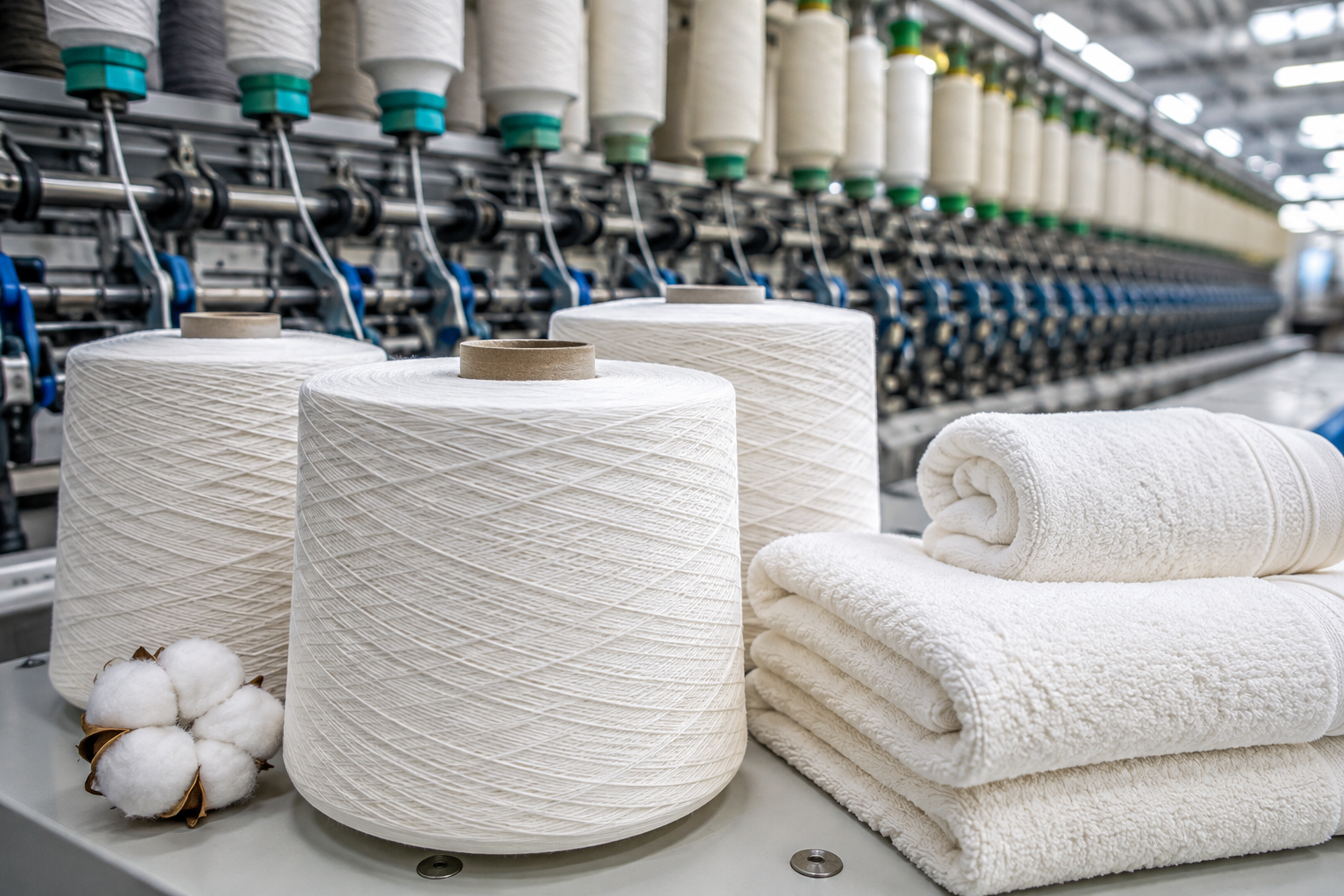
Complete Guide to Bulk Fabric Ordering for Textile Mills & Exporters
Running a textile mill or fabric trading business means managing a constant flow of fabric orders. But there’s a major difference between reactive buying and strategic bulk procurement.
Many mill owners face the same challenges:
- High fabric costs
- Inconsistent quality
- Delivery delays
The issue isn’t the lack of good suppliers—it’s the absence of a structured bulk ordering system.
This guide gives you a proven framework used by successful textile businesses to:
- Reduce fabric costs by 15–25%
- Maintain consistent quality
- Avoid delivery disruptions
- Build strong supplier relationships
- Improve cash flow management
Whether you order 100 meters or 100,000 meters, this guide applies.
What You’ll Learn
- Fabric pricing and cost structure
- MOQ negotiation strategies
- Quality control systems
- Payment term optimization
- Supplier relationship management
- Common mistakes to avoid
- A step-by-step execution checklist
1. Understanding Bulk Fabric Pricing
How Fabric Pricing Works
When you receive a quote (e.g., ₹100/meter for 20s cotton fabric), it includes:
Raw Materials (40–45%)
- Cotton yarn cost
- Chemicals and dyes
- Waste allowance
Manufacturing (25–30%)
- Machinery and power
- Maintenance
- Facility costs
Labor (15–20%)
Quality Testing (5–8%)
- GSM, shrinkage, strength tests
Logistics (5–8%)
Profit (8–15%)
Key Insight
If a supplier refuses to reduce price, they are protecting margins in one of these areas. Smart negotiation is about value—not forcing unrealistic pricing.
Price Benchmarks
- 20s cotton fabric: ₹85–₹120/meter
- Premium fabric: ₹120–₹180/meter
- Bulk discount: 15–20%
If a price is unusually low, verify quality before committing.
2. MOQ Negotiation Strategy
Why MOQs Exist
- Setup costs
- Working capital needs
- Production efficiency
- Logistics
How to Reduce MOQ
1. Build Relationship
Start with minimum order → prove reliability → request flexibility.
2. Offer Monthly Commitment
Regular buyers get lower MOQ.
3. Combine Orders
Multiple SKUs in smaller quantities.
4. Pay Slight Premium
Extra 5–10% can unlock flexibility.
5. Time Your Orders
Negotiate during slow seasons.
6. Share Future Plans
Transparency builds trust.
Key Insight
Good suppliers adjust MOQs for reliable customers.
3. Quality Assurance in Bulk Orders
Before Ordering
- Request certified samples
- Test on your machines
- Document specifications clearly
Example:
20s cotton, 140–160 GSM, CSP 1200+, shrinkage <2%
During Order
- Split delivery for testing
- Define acceptance criteria
- Request batch reports
After Delivery
Inspection Checklist
- Fabric consistency
- Width and GSM
- Defects and contamination
Red Flags
- No test certificates
- Poor communication
- Inconsistent batches
4. Payment Terms & Cash Flow
Common Payment Options
- Advance: lowest price
- 15 days: +1%
- 30 days: +2–3%
- 60 days: +5–8%
Strategy
Strong Cash Flow
→ Use advance → save cost
Limited Cash Flow
→ Use 30–60 day terms → improve liquidity
Smart Negotiation
- Mix payment (50% advance + 50% credit)
- Offer volume commitment
- Build trust over time
Key Insight
Cash flow flexibility is often more valuable than small price discounts.
5. Supplier Relationship Management
Why It Matters
A reliable supplier ensures:
- Consistent quality
- Timely delivery
- Flexible support
- Better pricing
Best Practices
- Communicate clearly
- Pay on time
- Provide feedback
- Share forecasts
- Maintain loyalty
When to Switch
Only if issues are:
- Repeated
- Unresolved
- Impacting business
Maintain 1–2 backup suppliers for safety.
6. Common Mistakes to Avoid
1. Skipping Sample Testing
Always test before bulk orders.
2. Ignoring Payment Terms
Cash flow matters more than small discounts.
3. No Written Specifications
Leads to disputes.
4. Switching for Small Price Differences
Damages long-term value.
5. Over-ordering
Blocks working capital.
7. Bulk Fabric Ordering Checklist
Research
- Identify 3–5 suppliers
- Request samples
- Compare pricing
Evaluation
- Test samples
- Verify certifications
Negotiation
- Start with trial order
- Define specs
- Agree on terms
Order Execution
- Confirm details in writing
- Inspect on delivery
- Approve before payment
Ongoing
- Track quality
- Monitor pricing
- Maintain supplier relationship
Conclusion
Bulk fabric ordering becomes simple when you follow a structured approach.
By applying this framework, you can:
- Reduce costs
- Maintain consistent quality
- Improve supply reliability
- Strengthen supplier partnerships
- Optimize cash flow
Final Takeaway
Treat suppliers as long-term partners—not just vendors.
Ready to Optimize Your Fabric Supply?
At Seshas Textiles, we help textile mills and exporters streamline bulk fabric sourcing.
What We Offer:
- Transparent wholesale pricing
- Flexible MOQ options
- Certified quality assurance
- Fast delivery across Chennai
- Dedicated support
Contact Us: